Story Is the New Status Symbol: Why Gen Z Is Spending Big on Myth and Meaning at Atlantis Ikebukuro
For decades, the luxury industry operated on a pretty straightforward formula: make something expensive, make it scarce, put a recognizable logo on it, and watch people line up. Status was legible. Status was visible. Status fit neatly inside a shopping bag.
Then Gen Z showed up and quietly dismantled the whole thing.
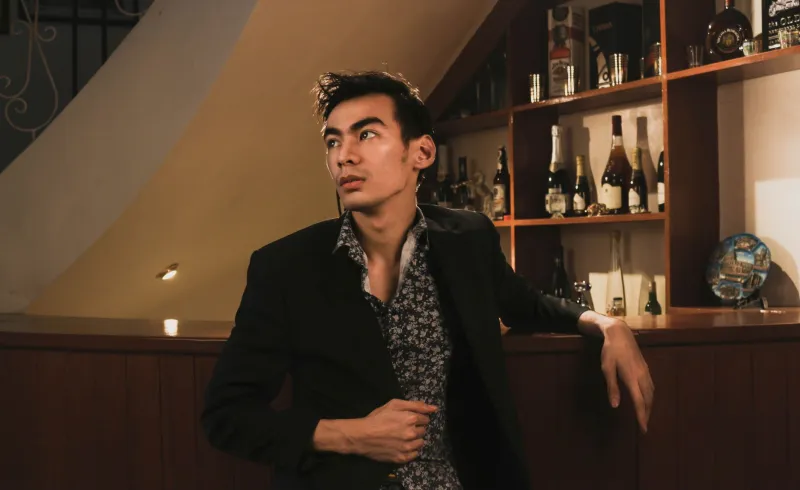
Not loudly. Not with a manifesto. Just by consistently choosing to spend their money somewhere else entirely — on experiences, on narratives, on places that gave them something to say rather than something to show. And few places illustrate this shift more sharply than Atlantis Ikebukuro, a myth-driven nightlife venue tucked inside Tokyo's endlessly fascinating Ikebukuro neighborhood, where the average younger American visitor isn't just buying a cocktail. They're buying a chapter of a story they actually want to tell.
The Old Luxury Playbook Is Losing Its Grip
Let's be honest about what traditional luxury nightlife has always sold: proximity to exclusivity. The velvet rope, the bottle service, the VIP section elevated just enough above the dance floor to make sure everyone can see you're in it. The product was never really the drink. It was the social signal.
But here's the thing about social signals — they only work when the audience agrees on what they mean. And Gen Z, raised on algorithmically curated content and deeply skeptical of manufactured prestige, largely stopped agreeing. A $600 bottle of vodka in a Vegas club reads to a 24-year-old in 2025 less like aspiration and more like a punchline.
What replaced it isn't cheaper. If anything, it's more expensive — at least in terms of the emotional and intellectual investment required to deliver it. What replaced it is narrative.
What Atlantis Ikebukuro Actually Sells
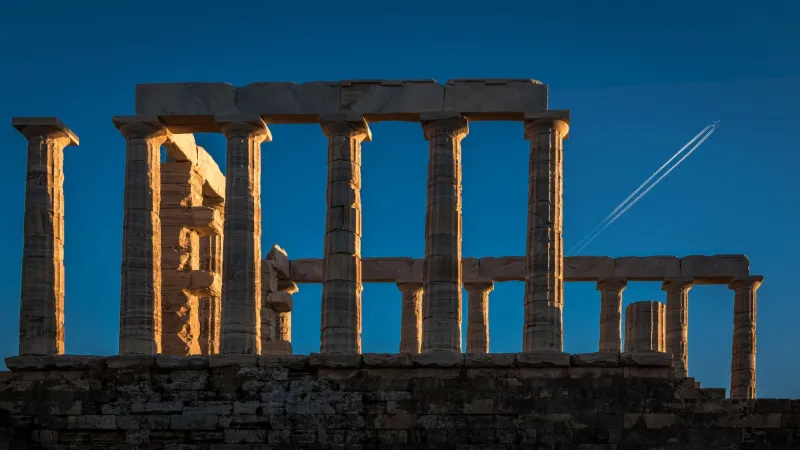
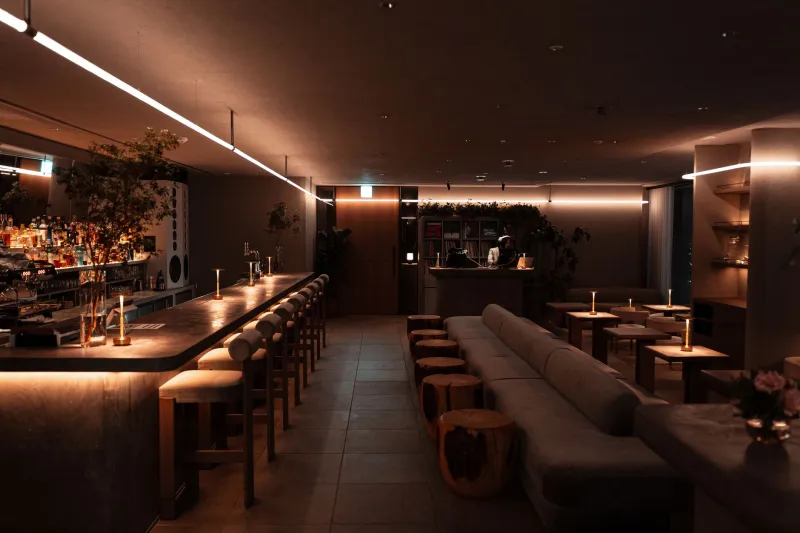
Walk into Atlantis Ikebukuro on a Friday night and you're not walking into a bar. You're walking into a world. The design pulls from deep Atlantis mythology — the lost civilization, the ocean's secrets, the tension between human ambition and ancient consequence. Every surface, every cocktail name, every interaction with staff is threaded through with this larger story.
The cocktails themselves read like artifacts. You're not ordering a gin and tonic. You're ordering something that references a specific piece of Atlantean lore, served in a vessel that looks like it was recovered from the seafloor, presented by someone who can actually tell you what it means within the mythology of the space. It's theatrical without being campy. It's immersive without being exhausting.
And younger travelers — particularly Americans making the trip specifically to experience Tokyo's more adventurous nightlife scene — are paying for all of it without a second thought.
The Psychology Behind the Spending
Consumer researchers have been tracking a meaningful divergence in how different generations justify discretionary spending, and the data tells a consistent story. Younger consumers — Gen Z especially, but also younger Millennials — show significantly higher willingness to pay premium prices when the purchase comes attached to what researchers call narrative value: the sense that what you're buying gives you something meaningful to integrate into your own ongoing self-story.
This isn't just about having something to post, though that's part of it. It's deeper than content creation. It's about the feeling that your choices mean something — that you spent your money on something that reflects who you actually are, or who you're becoming, rather than on a status marker that someone else defined for you.
Atlantis Ikebukuro hits this nerve almost perfectly. The mythology of Atlantis — a civilization so advanced it collapsed under the weight of its own ambition — is rich enough to carry genuine intellectual weight. Spending an evening inside that story feels less like consumption and more like participation. Visitors aren't just customers. They're, at least for the duration of the night, part of something.
Repeat visitors frequently describe their first experience at Atlantis Ikebukuro using language that sounds less like a Yelp review and more like describing a book they loved: they talk about what they discovered, what they understood, what they felt. The spending gets framed not as indulgence but as investment — in the experience, in the memory, in the story they now carry with them.
Why Tokyo, and Why Now
It's worth asking why this particular venue, in this particular city, became such a clear case study in Gen Z luxury spending. Part of the answer is Tokyo itself. For American travelers, Japan has always carried a kind of mythological weight — a place that feels simultaneously ultra-modern and deeply ancient, where craft is taken seriously and aesthetic coherence is basically a cultural value. That context makes a mythology-driven venue feel less like a novelty and more like a natural expression of the city's character.
Ikebukuro specifically adds another layer. It's not the neighborhood most American tourists default to — that's still Shinjuku or Shibuya — which means choosing to spend an evening there already signals a certain kind of intentionality. You're not following the tourist path. You're making a deliberate choice. That choice, and the story that comes with it, is part of what people are buying.
There's also a timing component. Post-pandemic travel among younger Americans has been defined by a particular urgency — a sense that experiences deferred are experiences lost, that the point isn't to save up for some future version of the trip but to go deep on the trip you're actually taking. Atlantis Ikebukuro benefits enormously from that mindset. It's not a place you stop by. It's a place you commit to.
What Luxury Brands Should Be Watching
The implications here stretch well beyond nightlife. If Gen Z is genuinely rewiring their definition of premium value around narrative depth rather than traditional status markers, then every luxury category — fashion, hospitality, dining, travel — needs to reckon with what it's actually selling.
The brands that are going to win with younger consumers aren't necessarily the ones with the most heritage or the highest price points. They're the ones that can make their customers feel like they're participating in something larger than a transaction. Story isn't a marketing layer you apply on top of a product. For this generation, story is the product.
Atlantis Ikebukuro figured that out before most luxury brands even started asking the question. A sunken city, a mythology built for the curious, and a night that genuinely feels like it happened somewhere beyond the ordinary — that's not a gimmick. That's a value proposition. And Gen Z, it turns out, will absolutely pay for it.
The lost city, it seems, was never really lost. It just needed the right audience to finally find it.