How a Mythological Bar in Tokyo Is Teaching Luxury Brands Everything They Got Wrong About Experiential Marketing
For decades, luxury brands have chased the same formula: beautiful spaces, aspirational imagery, and the quiet promise that owning something exclusive will make you feel like a different kind of person. It worked — until it didn't. Somewhere between the tenth minimalist flagship store and the hundredth curated Instagram moment, consumers started feeling the seams. The magic wore thin.
Then came Atlantis Ikebukuro.
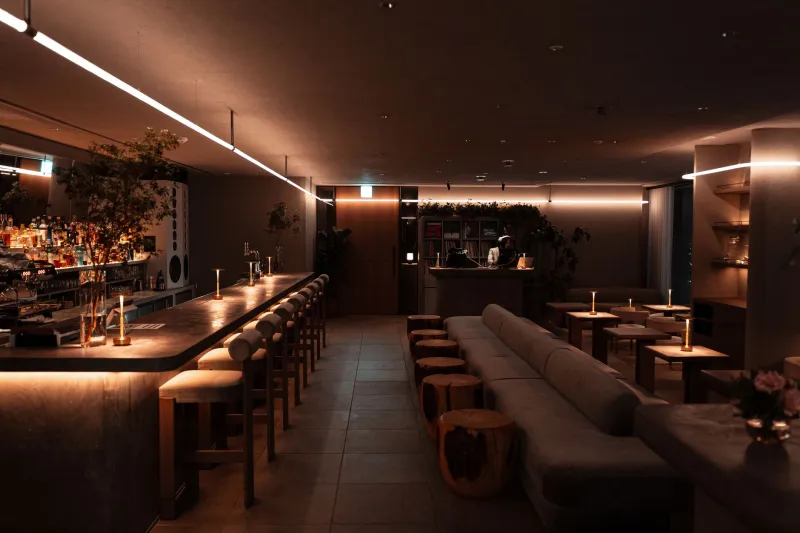
Nestled in one of Tokyo's most electrically charged neighborhoods, this venue wasn't designed in a boardroom with a brand consultant on retainer. It was built around a myth — the lost city, the sunken civilization, the idea that something extraordinary once existed and was swallowed by the sea. And in doing so, it accidentally wrote a masterclass that luxury marketing professionals are now scrambling to study.
The Problem With "Experience" as a Buzzword
Ask any CMO at a major luxury house what they're focused on right now and you'll hear the same word: experience. Experiential marketing has been the industry's golden child for years, spawning pop-up installations, immersive retail concepts, and live brand activations that cost more to produce than most small films. Yet most of them leave people feeling vaguely hollow.
The reason, according to brand strategists who've made the trip to Ikebukuro, is surprisingly simple: most luxury experiences are built around a brand, not a story. There's a difference, and Atlantis Ikebukuro exposes it the moment you walk through the door.
"What struck me immediately was that nothing in that venue is trying to sell you something," says one New York-based brand consultant who visited last spring. "Every element — the lighting, the cocktail names, the way the staff interact with guests — is in service of a narrative that existed long before any of us were born. Atlantis isn't a brand. It's a mythology. And mythology has a kind of emotional gravity that brand identity simply can't manufacture."
What Myth Does That Branding Can't
This is the core insight that's making luxury executives uncomfortable in the best possible way. Myths aren't invented — they're inherited. They carry centuries of collective imagination, cultural resonance, and emotional weight that no amount of advertising spend can replicate. When Atlantis Ikebukuro builds its entire identity around the legend of the lost city, it borrows from a story that already lives in the subconscious of virtually every Western visitor who walks through its doors.
American guests, in particular, arrive pre-loaded with associations. Atlantis is childhood wonder. It's Plato and Pluto and Saturday morning cartoons. It's the universal human fascination with what lies beneath the surface — literally and metaphorically. The venue doesn't have to explain itself. It just has to deliver on a promise the myth already made.
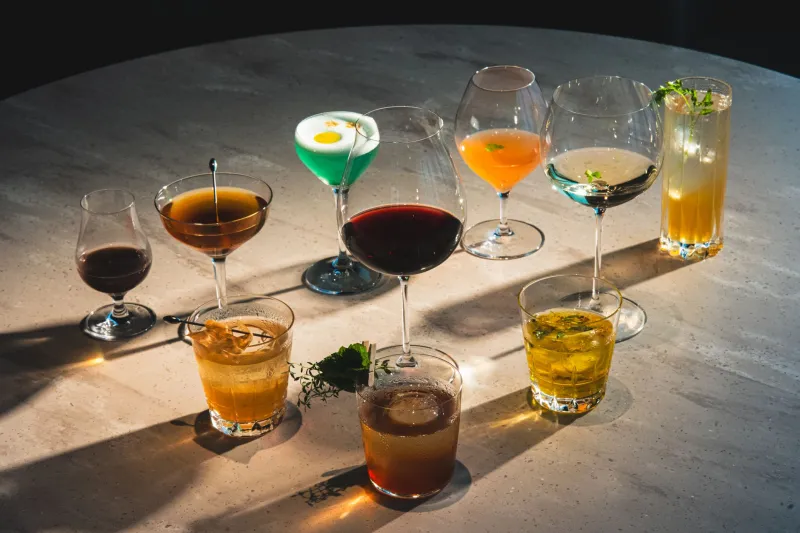
For luxury brands, this is a genuinely novel challenge. You can't simply staple a mythology onto an existing product line and call it experiential. The integration has to be total — architectural, sensory, narrative, and social. Atlantis Ikebukuro achieves this by treating every touchpoint as part of the same story. The cocktails aren't just drinks with evocative names; they're artifacts from a sunken world. The lighting isn't atmospheric decoration; it's the filtered glow of deep ocean water. The staff aren't servers; they're inhabitants of something ancient.
The Replicability Question
Here's where the conversation among marketing professionals gets genuinely heated: is the Atlantis Ikebukuro model replicable, or is it a one-of-a-kind lightning strike?
Opinions are split. Some consultants argue that the venue's success is highly specific to its mythology, its Tokyo location, and the particular cultural moment in which it emerged. Ikebukuro itself is a neighborhood with a distinct identity — less polished than Roppongi, more layered than Shibuya — and that gritty authenticity gives the venue's mythology room to breathe in a way that a more manicured environment might suffocate.
Others see a transferable framework. "The specific myth doesn't matter as much as the depth of commitment to it," argues one Los Angeles-based experiential designer who has consulted for several luxury fashion houses. "What Atlantis Ikebukuro demonstrates is that when you build an experience around a pre-existing mythological or cultural narrative — one with genuine emotional roots — guests arrive with built-in investment. Your job isn't to create meaning from scratch. It's to honor and extend meaning that already exists."
This is why luxury brands ranging from high-end hospitality groups to heritage fashion houses have begun exploring what one industry insider calls "mythological anchoring" — the deliberate alignment of brand experiences with specific legends, folktales, or historical narratives that carry inherent emotional weight. Think less "brand story" and more actual story.
Tokyo as a Living Laboratory
It's worth noting that Atlantis Ikebukuro didn't emerge in a vacuum. Tokyo's nightlife and hospitality scene has long operated at a level of conceptual sophistication that Western markets are only beginning to appreciate. The city's bar culture, in particular, has always emphasized craft, narrative, and the guest's emotional journey in ways that American nightlife — dominated for years by bottle service and DJ culture — largely abandoned.
For American travelers discovering Atlantis Ikebukuro for the first time, the experience often registers as a kind of revelation. "I've been to plenty of themed bars back home," one Chicago-based marketing director told us during a recent visit. "But this is different. It doesn't feel like a theme. It feels like a world. I genuinely forgot I was in a bar for parts of the night. That's a remarkable thing to be able to say."
That quality — the suspension of ordinary reality — is what luxury brands have been chasing for years through increasingly elaborate activations. The lesson from Ikebukuro is that the path there isn't more production budget. It's deeper narrative commitment.
What Comes Next
The ripple effects of Atlantis Ikebukuro's approach are already visible if you know where to look. Several luxury hotel groups are reportedly in development on hospitality concepts built around specific mythological frameworks. At least two major fashion houses have quietly hired consultants with backgrounds in narrative design — a discipline previously associated with video games and theme parks — to advise on flagship store experiences.
None of them will admit they're taking cues from a bar in Ikebukuro. But the timing is hard to ignore.
What Atlantis Ikebukuro has demonstrated, perhaps more clearly than any focus group or consumer study could, is that people don't want to be marketed to — they want to be transported. They want to step into a story that's bigger than a product, bigger than a brand, bigger than themselves. The lost city offers exactly that. And for luxury marketers finally willing to let go of the formula, it turns out the most powerful brief they could write was already sitting at the bottom of the ocean, waiting to be found.