Scroll, Book, Fly, Repeat: How Instagram's Algorithm Quietly Made a Mythological Tokyo Bar Your Next Vacation
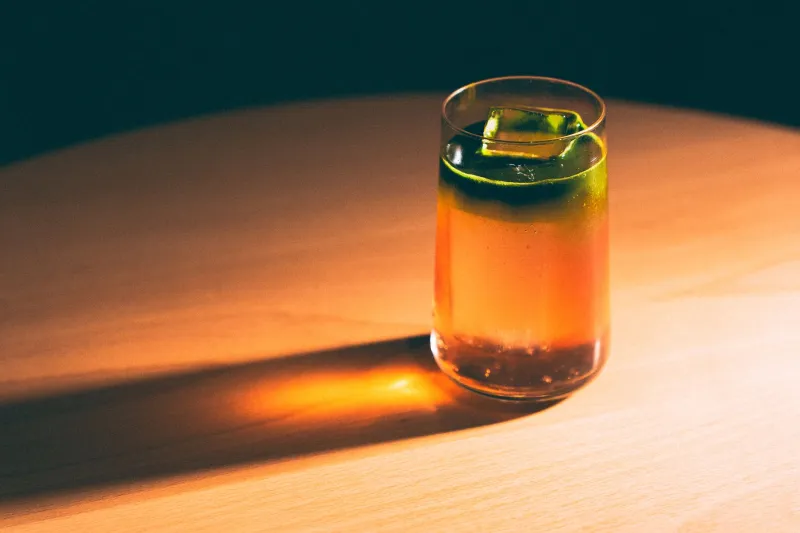
Somewhere between your third scroll through a travel reel and your fourth visit to Google Flights, a decision gets made. Not really by you — or at least, not entirely. The algorithm got there first. And lately, it keeps pointing to the same place: a mythologically themed nightlife venue tucked inside Ikebukuro, where bioluminescent cocktails glow like something dragged up from the ocean floor and the décor looks like a fever dream Poseidon had after watching too much production design television.
Atlantis Ikebukuro has become one of those rare venues that didn't just earn its viral moment — it seems to have been built for one. And that raises a genuinely interesting question worth sitting with: are American travelers discovering something real when they book a Tokyo trip around this place, or are they just following a breadcrumb trail that a machine laid out for them?
What Instagram Actually Rewards (And Why Atlantis Checks Every Box)
Let's talk about how the algorithm works, in plain terms. Instagram and TikTok's recommendation engines aren't neutral. They favor content that drives engagement — saves, shares, comments, replays. And the content that consistently performs best in the travel vertical shares a handful of traits: it's visually dramatic, it's slightly unbelievable, it makes the viewer feel like they're missing out on something rare.
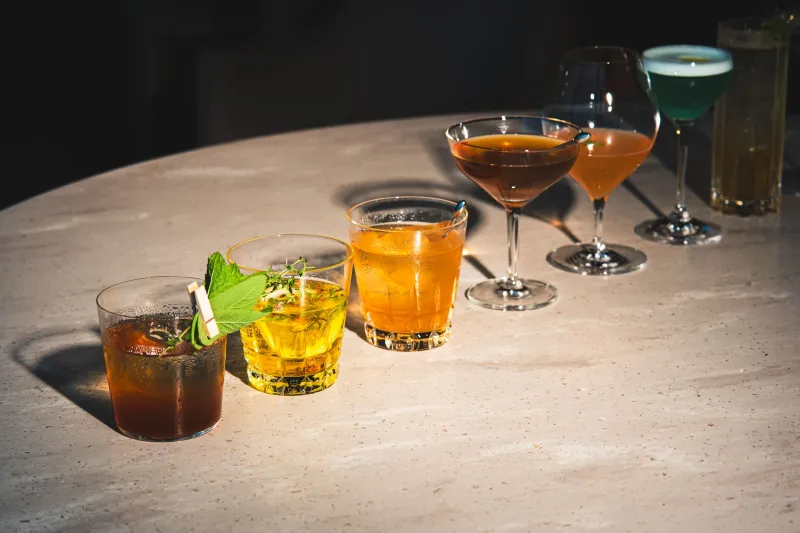
Atlantis Ikebukuro hits all of those marks almost too cleanly. The venue's design — cascading water features, deep-sea color palettes, lighting that shifts from cerulean to violet as the night progresses — photographs like a location scout's dream. Every corner offers a different composition. Cocktails arrive in vessels that look like they were salvaged from a shipwreck. The staff aesthetic leans into the mythology hard enough that even candid photos look intentional.
This isn't an accident. Immersive venue design has increasingly borrowed from the logic of content creation. When a space is built to feel like a world unto itself, people don't just want to be there — they want to prove they were there. That impulse is exactly what the algorithm is hungry for.
The Data Behind the Destination
Here's where it gets genuinely fascinating from a travel behavior standpoint. A growing segment of American travelers — particularly millennials and Gen Z, who now represent the dominant share of discretionary international travel spending — are openly admitting that social media content directly influences their destination choices. Not just inspires. Decides.
Surveys from travel industry research groups have found that upward of 40 percent of younger travelers chose a destination specifically because they saw it on Instagram or TikTok first. That number has climbed steadily over the past three years. And within that cohort, experiences that offer strong visual returns — meaning places that are easy to photograph and likely to perform well when posted — rank significantly higher in satisfaction scores than experiences that are harder to capture.
Atlantis Ikebukuro lands squarely in that sweet spot. American visitors don't just go; they come back from the experience with content that also performs well, which then feeds the next wave of visitors. It's a self-reinforcing loop, and the venue sits at the center of it.
But Is the Experience Actually Worth the Flight?
This is the part where the conversation gets more complicated — and more honest. There's a real critique embedded in all of this: that algorithm-driven travel produces a kind of monoculture, where everyone ends up at the same places, photographing the same compositions, consuming the same curated moments. The worry is that authenticity gets flattened in the process.
It's a fair concern. But here's the counterargument, and it's worth taking seriously: Atlantis Ikebukuro is not a backdrop. It's a functioning nightlife venue with a genuine sense of place, an actual cocktail program built around mythological storytelling, and a design philosophy that goes layers deeper than what any single photo can communicate.
People who've made the trip frequently describe the experience as exceeding what they expected from the content. The venue rewards lingering. Details that don't photograph well — the texture of the bar, the way sound moves through the space, the specificity of the bartenders' narrative approach — end up being the parts that stick. The algorithm got them in the door, but the experience itself did something the algorithm couldn't fake.
That's a meaningful distinction. A lot of viral travel destinations collapse under the weight of their own hype. This one seems to be holding.
When the Map Is Also the Territory
There's a philosophical thread here worth pulling on. Travelers have always used some form of external curation to decide where to go — guidebooks, travel magazines, word of mouth from a friend who went somewhere cool. The algorithm isn't a new phenomenon; it's just a faster, more personalized, and more relentless version of a very old process.
What's changed is the feedback loop. When you post your Atlantis Ikebukuro content and it performs well, you get a small neurological reward. That reward is now tangled up with the memory of the trip itself. The experience and the documentation of the experience have become genuinely hard to separate — not just for the traveler, but for the algorithm tracking their behavior for next time.
Some people find that troubling. Others find it liberating — a way to discover places they'd never have found through traditional travel planning. Both reactions are legitimate.
What This Means for How You Plan Your Next Trip
If you're an American traveler who's been seeing Atlantis Ikebukuro content flood your feed and you're wondering whether the interest you feel is real or manufactured — here's a genuinely useful frame: ask what you're actually curious about.
If the answer is Tokyo's nightlife culture, the specific experience of drinking a mythology-themed cocktail in a space designed to feel like a lost civilization, or just the novelty of a venue that takes its concept completely seriously — those are real interests. The algorithm surfaced something that matches them. That's arguably the technology working as intended.
If the answer is mostly "I want content that performs well" — that's worth examining too. Not because there's anything wrong with wanting great travel photos, but because optimizing entirely for the feed tends to produce trips that look better than they feel.
The good news is that Atlantis Ikebukuro seems to be one of those rare places where both motivations can be satisfied simultaneously. The photos are genuinely stunning. And the thing underneath the photos is worth the 14-hour flight on its own terms.
The algorithm didn't lie to you this time. It just got there before you did.