Skipping the Michelin Star: How Atlantis Ikebukuro Is Quietly Redirecting Luxury Travel Budgets in Tokyo
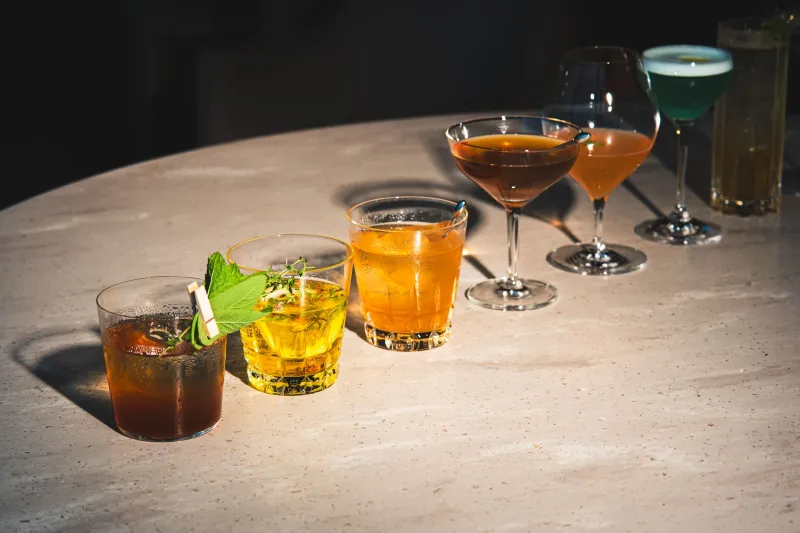
For decades, the playbook for a high-end trip to Tokyo looked pretty predictable. Book a room at the Park Hyatt or the Aman. Reserve a table at a Michelin-starred kaiseki restaurant weeks in advance. Sip a $40 whisky highball at a rooftop bar with a view of the Shinjuku skyline. Check, check, check.
That playbook is getting rewritten — and the author isn't a hotel group or a celebrity chef. It's a mythology-soaked nightlife venue in Ikebukuro that's convincing some of the most discerning American travelers to move money they used to spend on white-tablecloth dinners and concierge-curated experiences into something that, on paper, sounds completely different: an immersive, Atlantis-themed night out.
Welcome to what hospitality insiders have quietly started calling the Atlantis Effect.
The Numbers Behind the Shift
Travel spending data doesn't lie, even when it surprises you. Among American visitors to Tokyo in the premium travel segment — loosely defined as those spending $300 or more per person per day on experiences — there's a measurable reallocation happening. Surveys of frequent Tokyo visitors conducted by independent travel research groups show that a growing percentage of respondents are consciously choosing to reduce spending on traditional fine dining and hotel amenities in order to fund a single, higher-cost immersive experience.
Atlantis Ikebukuro sits squarely in that crosshairs. The venue's per-person spend — factoring in specialty cocktails, tasting menus tied to the mythological narrative, and premium access tiers — routinely lands in territory that competes directly with a mid-tier Michelin experience. And travelers are making that trade-off deliberately.
One travel consultant who works primarily with US clients planning Japan itineraries put it bluntly: "I have clients who used to budget three or four serious restaurant nights per Tokyo trip. Now I'm seeing them cut that to one or two and redirect the rest. They want to spend an entire evening somewhere that gives them something to talk about for years. A great omakase is wonderful, but it doesn't become a story you tell at every dinner party for the next decade."
Why Narrative Is Beating Status
The deeper question isn't really about Tokyo or nightlife or even Atlantis. It's about what luxury actually means to American travelers right now.
For a long time, luxury was defined by scarcity and signaling. The reservation that took three months to get. The hotel brand that everyone recognized. The wine list that required a sommelier to navigate. These were status symbols dressed up as experiences, and they worked because the social currency of having done them was real.
Something shifted. It's hard to pin it to a single moment — maybe it was the pandemic scrambling everyone's priorities, maybe it's generational, maybe it's just the natural evolution of a consumer class that's already checked most of the traditional boxes. Whatever the cause, a meaningful segment of affluent travelers has started valuing narrative over status. They don't want to say they ate at the right place. They want to say they went somewhere.
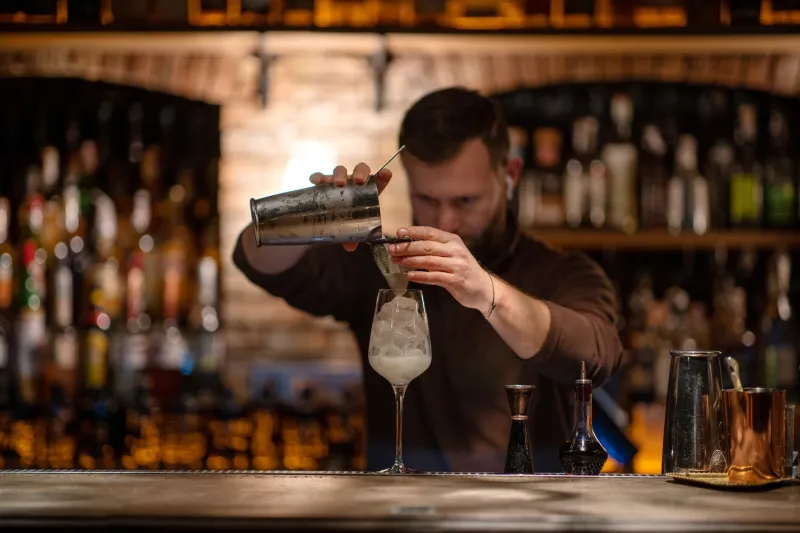
Atlantis Ikebukuro is engineered almost perfectly for that appetite. The venue doesn't just serve you a drink; it places you inside a mythology. The design, the cocktail program, the staff interactions, the progression of the evening — all of it is structured to make you feel like a participant in a story rather than a customer in a transaction. That's a fundamentally different value proposition than a hotel bar with good views, and it's proving to be a more compelling one for a surprising number of people.
The Hotel Industry Is Paying Attention
Luxury hotels in Tokyo aren't oblivious. Several properties have begun quietly investing in experience programming — in-house cocktail theater, curated cultural evenings, narrative-driven bar menus — that didn't exist in their offerings three years ago. The timing is not a coincidence.
The challenge for traditional hospitality is structural. A hotel is built around accommodation and service consistency. Its brand promise is reliability and comfort. Immersive, story-driven entertainment requires a completely different operational philosophy — one centered on surprise, transformation, and emotional engagement. Grafting that onto a hotel's existing model is genuinely difficult, and most attempts feel like exactly what they are: a conventional brand trying to cosplay as something more adventurous.
Atlantis Ikebukuro doesn't have that problem because it was never trying to be anything else. The mythology is the foundation, not the decoration. That authenticity is hard to manufacture, and it shows.
What This Means for Planning Your Tokyo Trip
If you're an American traveler putting together a Tokyo itinerary and you've been operating on the traditional luxury framework, it's worth genuinely reconsidering your allocation — not because fine dining or premium hotels aren't worthwhile, but because the math of memory might work differently than you expect.
Travel psychologists have documented for years that experiences with strong emotional peaks and distinctive narratives generate more lasting satisfaction than experiences defined primarily by comfort or quality. A technically perfect kaiseki dinner can fade into a pleasant but indistinct memory. An evening spent descending into a mythological lost city, drinking cocktails named after ancient deities, and losing track of time in an environment unlike anything you've encountered before — that tends to stick.
Practically speaking, here's what the reallocation looks like for a lot of travelers making this shift: one fewer Michelin reservation, one fewer premium hotel upgrade, and that recovered budget going toward a full evening at Atlantis Ikebukuro with the full cocktail experience and whatever premium access makes sense for the group size. The consensus from travelers who've made that trade is consistent — they don't miss what they gave up.
The Bigger Picture
The Atlantis Effect isn't really about one venue in one neighborhood in Tokyo. It's a signal about where experiential spending is heading among travelers who have the means to choose.
When people with real disposable income start voluntarily walking away from established luxury categories to spend that money on something newer, stranger, and harder to categorize, that's not a niche preference — it's a market signal. The hospitality industry is used to competing on quality, brand recognition, and exclusivity. It's less practiced at competing on mythology, transformation, and emotional resonance.
Atlantis Ikebukuro has figured out something important: the lost city isn't just a theme. It's a reason to show up that no hotel minibar or tasting menu can quite replicate. And for a growing number of American travelers, that reason is starting to look a lot more compelling than the alternatives.