Your Complete First-Timer's Playbook for Ikebukuro's Atlantis-Themed Nightlife
So you've booked the flight, sorted the hotel, and you've heard from roughly everyone you know who's been to Tokyo that Ikebukuro is worth more than a single afternoon. They're right. And if the words "Atlantis-themed entertainment venue" anywhere in your research have caught your eye — also right. But showing up without a plan to one of Tokyo's most layered entertainment districts is a recipe for standing on a sidewalk at 9 PM, hungry and confused, while everyone else seems to know exactly where they're going.
This guide is your fix for that. Consider it a dive briefing before you go under.
Why Ikebukuro, Specifically?
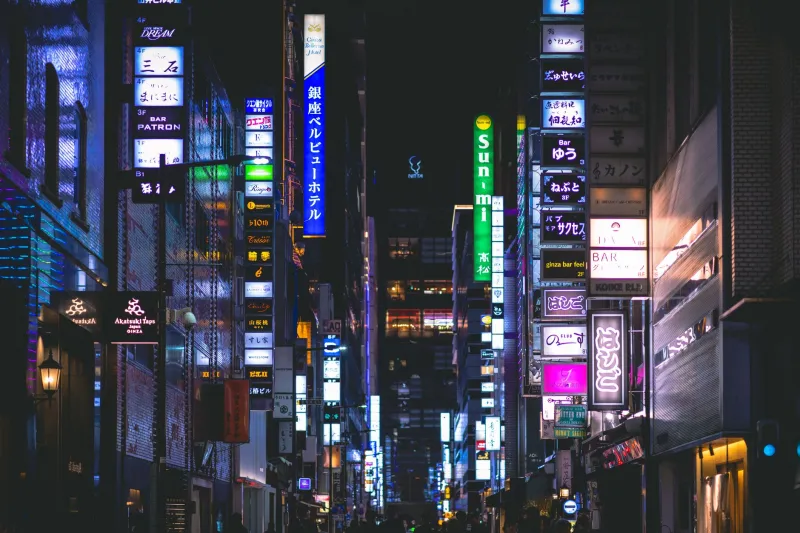
First things first: Ikebukuro doesn't always get the spotlight it deserves. Shinjuku pulls the big nightlife crowds. Shibuya gets the influencer traffic. Ikebukuro, sitting at the northwest corner of the Yamanote Line loop, tends to attract people who've already done the obvious stops and are looking for something with a bit more texture.
What you'll find is a neighborhood that balances high-energy entertainment — arcades, themed cafés, multi-floor entertainment complexes — with a surprisingly local, non-touristy vibe. The Atlantis-inspired venues here lean into that identity. They're not designed to be Disneyland. They're designed to be genuinely transportive, which requires a different kind of visitor energy. Come curious, not just camera-ready.
Getting There from the Major Hubs
Ikebukuro Station is one of the busiest rail junctions in the world, which sounds intimidating but is actually great news for travelers. You can reach it easily from almost anywhere in central Tokyo.
From Shinjuku: Take the JR Yamanote Line heading north — it's two stops and about six minutes. Dead simple.
From Shibuya: Same Yamanote Line, northbound, roughly 20 minutes with no transfers needed.
From Narita Airport: The Narita Express (N'EX) connects to Shinjuku, where you transfer to the Yamanote. Budget about 90 minutes total. Alternatively, the Keisei Skyliner to Ueno followed by a short transfer gets you there in similar time.
From Haneda Airport: The Tokyo Monorail to Hamamatsuchō, then Yamanote north to Ikebukuro. About an hour.
Once you're at Ikebukuro Station, use the West Exit for most entertainment venues. The station has more exits than most American airports have gates, so look for the signage and don't be afraid to ask — station staff in Tokyo are genuinely helpful and often speak enough English to point you in the right direction.
When to Show Up
Timing matters more than most first-timers expect. Here's the honest breakdown:
Thursday through Saturday nights are peak. The Atlantis-inspired venues fill up, the atmosphere hits its stride, and the full theatrical experience — lighting, music, crowd energy — is firing on all cylinders. If you want the complete immersion, this is when you go.
Sunday through Wednesday is lower-key but has its own appeal. Crowds thin out, bartenders have more time to talk you through the menu, and you'll get a more intimate experience. If you're a cocktail nerd who wants to actually discuss what's in your glass, a quiet Tuesday might serve you better than a packed Saturday.
Start time: Most Ikebukuro entertainment venues hit their stride between 8 PM and 10 PM. Showing up at 7 PM isn't wrong — you'll get a table easily and have time to settle in — but the energy peaks later. Plan to be out around midnight if you want the full arc of a night.
Reservations: Yes, You Need One
This is the part Americans most often skip and most often regret. Tokyo's themed entertainment venues, especially the higher-end ones, operate reservation systems that are taken seriously. Walk-ins are sometimes accommodated, but you may end up waiting 45 minutes on a sidewalk while people who planned ahead walk right in.
Most Ikebukuro venues with an international audience maintain English-language reservation options — either through their own websites or via platforms like TableCheck or Tableall. Book at least a week out for weekend visits, two weeks if you're traveling during Golden Week (late April to early May), Obon (mid-August), or the holiday season around New Year's.
When you make your reservation, note any dietary restrictions or non-alcoholic preferences. Japanese hospitality culture takes these seriously, and the kitchen or bar team will genuinely prepare for your needs rather than just noting them and hoping for the best.
Dress Code and Vibe Check
Ikebukuro's Atlantis-themed venues occupy a middle ground between casual and dressy. You don't need a suit, but you'll feel out of place in gym shorts and a baseball cap. Think smart casual — what you'd wear to a decent cocktail bar in a US city like Chicago or Seattle. Clean sneakers are usually fine. A nice jacket elevates any outfit and signals that you're there for the experience, not just to take photos.
Some venues lean into the theme with costume elements or encourage guests to dress in ways that complement the aesthetic. If that's an option, lean into it. Japanese entertainment culture rewards participation, and showing up with even a small nod to the underwater mythology — deep blue tones, something with a bit of shimmer — will be appreciated.
Cultural Etiquette You Should Actually Know
A few things that will make your night smoother and make you a better guest:
Don't tip. Seriously. Tipping in Japan is not customary and can actually cause awkwardness. The service you receive is exceptional because that's the standard, not because anyone is working for gratuity.
Keep your voice at a reasonable level. Japanese nightlife venues are social and fun, but they're not the same as a loud American sports bar. Match the room's energy rather than importing your own.
Follow the photography rules. Most venues allow photos of your drinks and the décor, but will ask you not to photograph staff or other guests without permission. When in doubt, ask.
Cash is still king in many places. Tokyo is modernizing its payment infrastructure quickly, but carry some yen. Many smaller venues and even some mid-sized ones still prefer cash for tabs.
Shoes off? Less common in bars than in homes or some restaurants, but if you're asked, just do it without making a thing of it.
What to Actually Expect from the Experience
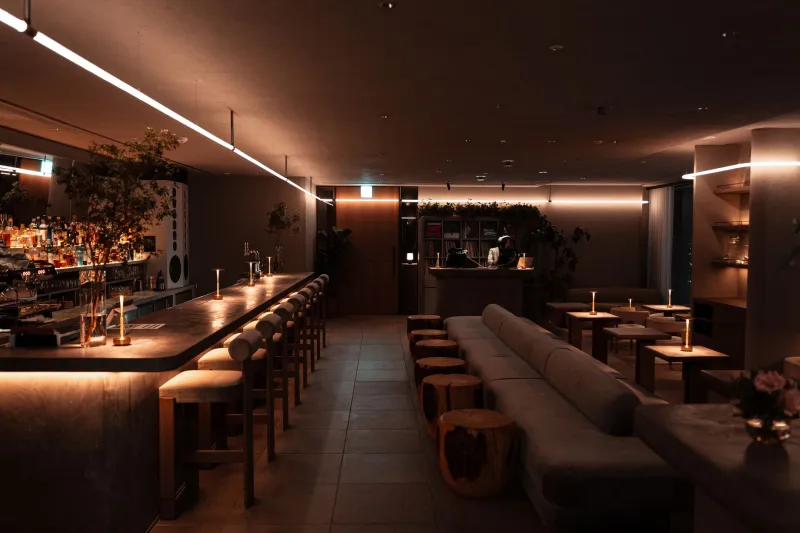
Here's the honest version: Atlantis-themed entertainment in Ikebukuro is not a gimmick with a logo slapped on it. The best venues have invested seriously in the concept — the lighting design, the cocktail program, the music, the staff training. You'll walk into a space that feels genuinely considered.
Expect a curated drink menu where every cocktail has a story. Expect a bartender who can tell you that story if you ask. Expect the room to shift around you as the night progresses — lighting cues, music transitions, occasional theatrical moments that reward guests who are paying attention.
Also expect: small portions (this is Japan, not a Texas steakhouse), prices that reflect genuine craft rather than tourist markup, and a pace of service that prioritizes quality over speed. Let it breathe. The best nights in Ikebukuro happen when you stop rushing and let the myth take over.
Welcome to the lost city. The water's fine.